

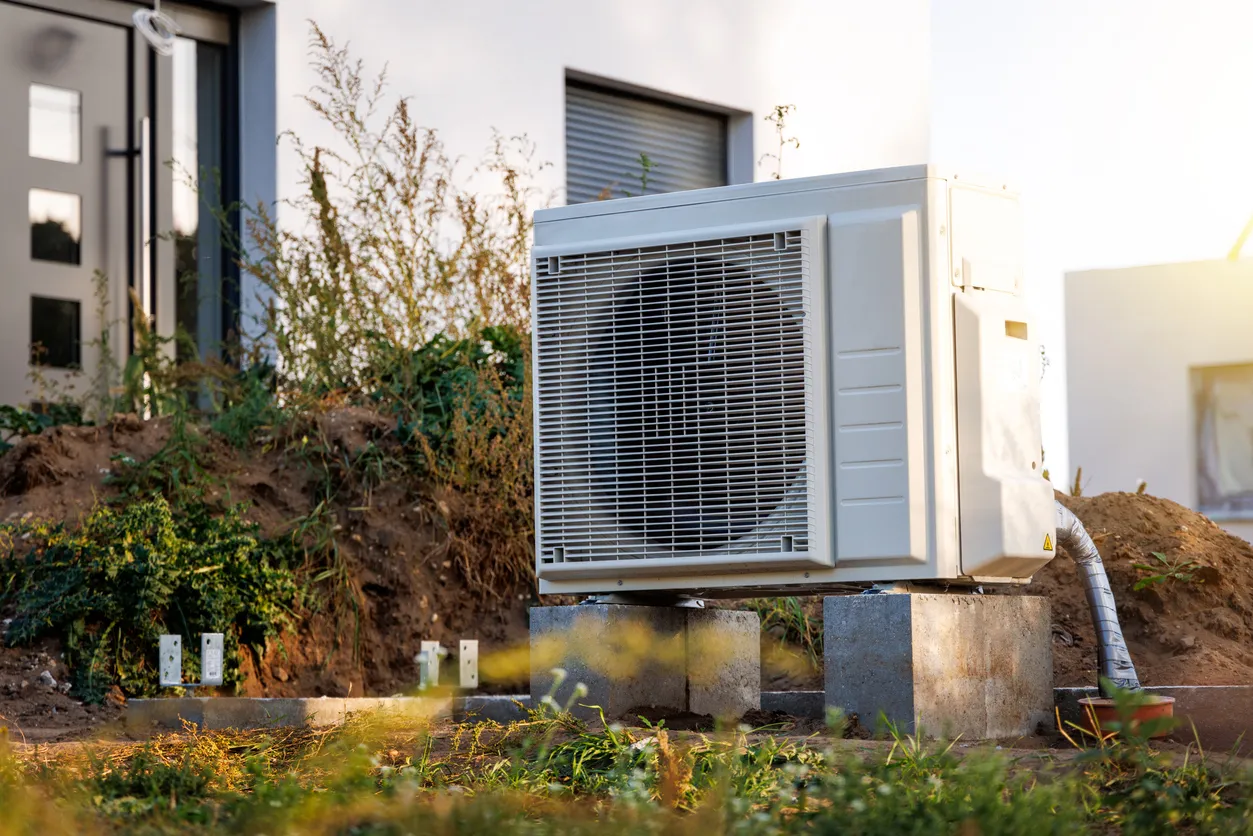
When Should You Replace Your Air Conditioner?
Learn when should you replace your air conditioner with clear signs, cost-saving tips, and expert advice for Pittsburgh homes.
Is It Time? Knowing When Should You Replace Your Air Conditioner
Knowing when should you replace your air conditioner can save you from a sweaty, stressful breakdown on the hottest day of a Pittsburgh summer. Most homeowners wait until something goes wrong — but by then, you're facing emergency decisions, higher costs, and days without cool air.
Here's a quick answer to help you decide right now:
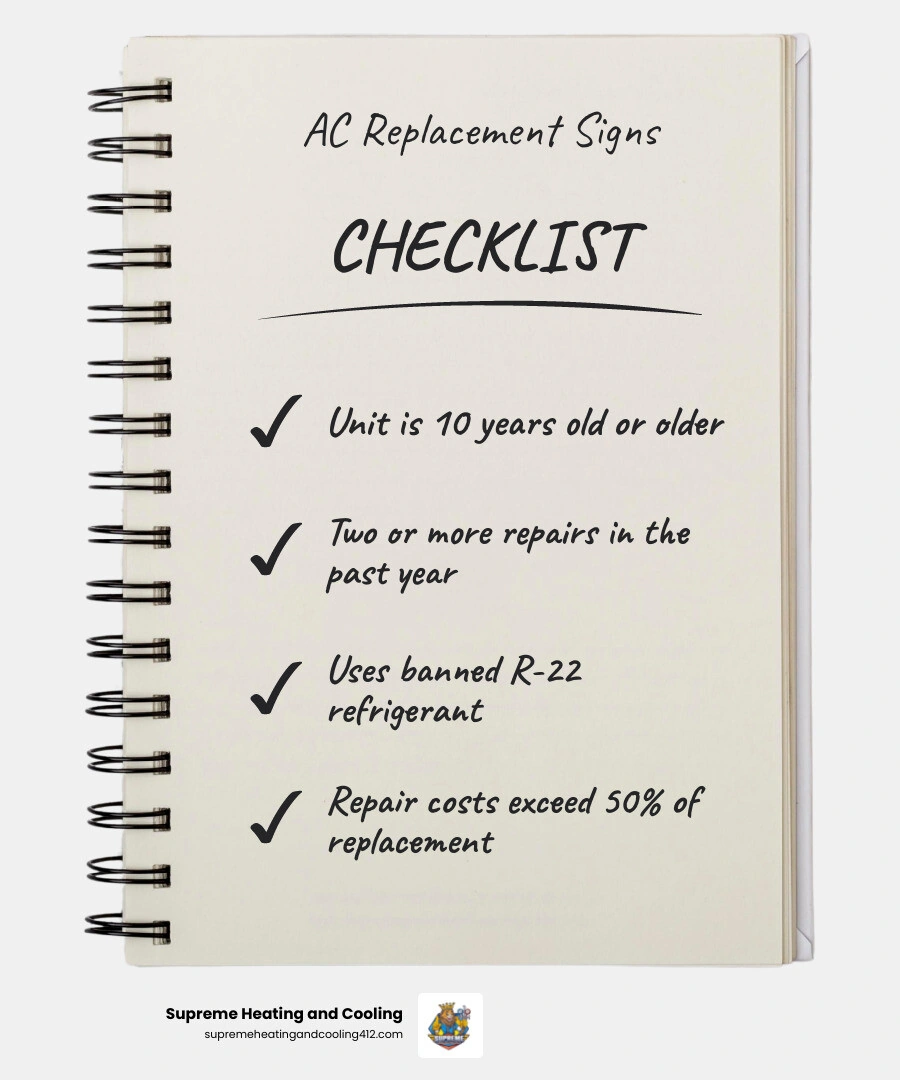
Replace your air conditioner if any of these apply:
• Your unit is 10 years old or older
• You've had two or more repairs in the past 12 months
• Your energy bills keep climbing without explanation
• Your system uses R-22 (Freon) refrigerant, which was banned from production in 2020
• Repairs would cost more than 50% of a new system's price
• Your home has uneven cooling, humidity problems, or weak airflow
• The unit makes unusual noises or produces strange odors
If one or more of those sound familiar, keep reading — this guide walks you through every factor that matters.
For Western Pennsylvania homeowners, this decision carries extra weight. Our region's humid summers, cold winters, and wide temperature swings put more stress on HVAC equipment than many national averages reflect. An AC unit that might last 15 years in a mild climate could show signs of failure well before that here in the Pittsburgh area.
At Supreme Heating and Cooling, we believe you deserve honest information — not a rushed sales pitch — so you can make the smartest choice for your home and your family's comfort.
Key Signs That Tell You When Should You Replace Your Air Conditioner
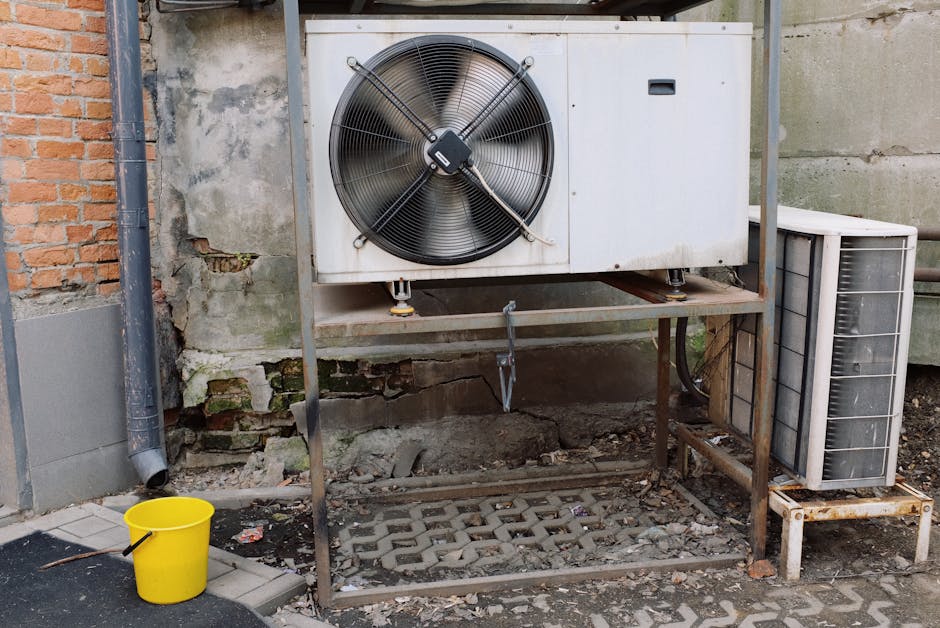
Recognizing the early warning signs of a failing air conditioner can prevent a complete system shutdown when you need cooling the most. While some minor glitches can be resolved with a quick service call, other issues point to systemic wear and tear that repairs simply cannot fix.
When your cooling performance begins to decline, you will likely notice that some rooms feel like a refrigerator while others feel like a sauna. This uneven temperature distribution is a classic sign that your system's compressor is struggling or that your ductwork is no longer distributing air effectively.
Furthermore, weak airflow from your vents suggests that the blower motor is failing or that the evaporator coils are struggling to transfer heat. If you find yourself constantly adjusting the thermostat or dealing with a home that feels sticky and humid even when the AC is running, your system is no longer doing its job. To help you weigh these performance issues against the cost of keeping your current unit, we have put together a detailed guide on whether Should You Repair or Replace Your AC.
How System Age and Western Pennsylvania Climate Impact Longevity
While the national average lifespan of a central air conditioning unit is 10 to 15 years, local conditions play a massive role in how quickly a system degrades. In Western Pennsylvania, our equipment must endure extreme thermal cycling. Our winters are freezing, requiring systems to sit idle or work alongside heating components, while our summers are thick with humidity, forcing air conditioners to work double-time to remove moisture from the air.
This intense humidity means your AC isn't just cooling the air; it is pulling gallons of water out of your indoor environment every single day. Over a decade or more, this constant moisture extraction leads to rust, corrosion on the outdoor condenser coils, and electrical wear. When you combine this environmental strain with a lack of consistent annual maintenance, a system can easily reach the end of its reliable lifespan by year 10 or 12. You can learn more about how our regional weather affects your equipment by reading about How Long Does an AC Unit Last in Western Pennsylvania.
The Impact of R-22 Freon on When Should You Replace Your Air Conditioner
If your air conditioner was manufactured before 2010, there is a very high probability that it utilizes R-22 refrigerant, commonly known as Freon. Because R-22 is an ozone-depleting substance, the Environmental Protection Agency (EPA) initiated a multi-year phase-out that culminated in a complete ban on its production and import on January 1, 2020.
Now that we are in June 2026, the available supply of recycled R-22 is incredibly scarce and environmentally harmful. If an older system develops a refrigerant leak, recharging the unit with R-22 is no longer a viable long-term strategy. The cost of sourcing discontinued Freon has skyrocketed, often making a single refrigerant recharge more expensive than a significant portion of a modern replacement system.
Transitioning to a modern unit that uses an environmentally friendly refrigerant like R-410A (or the newest compliant alternatives) is not only better for the planet, but it also protects you from throwing money into a system that is legally obsolete.
The Financial Decision: Repair vs. Replace Frameworks
Deciding whether to call for another repair or invest in a brand-new system doesn't have to be a guessing game. By looking at objective indicators, you can make a logical, stress-free decision.
• System Age — Keep and Repair: Under 10 years old — Replace the System: 10 to 15+ years old
• Refrigerant Type — Keep and Repair: R-410A or newer — Replace the System: R-22 (Freon)
• Repair Frequency — Keep and Repair: Rare, minor issues (e.g., clogged drain line) — Replace the System: 2+ breakdowns within the past 12 months
• Warranty Status — Keep and Repair: Active manufacturer warranty — Replace the System: Expired warranty (typically after 10 years)
• Efficiency & Energy Bills — Keep and Repair: Stable monthly utility costs — Replace the System: Energy bills have spiked 20% or more
• Comfort Levels — Keep and Repair: Consistent temperatures throughout the home — Replace the System: Persistent hot spots and high indoor humidity
Understanding your system's warranty status is a critical piece of this puzzle. Most major manufacturers offer a 10-year parts warranty on registered equipment. Once that window closes, you are responsible for the full cost of every replacement part, which quickly adds up. For a complete breakdown of what to look for in your coverage, explore our guide on Air Conditioning Replacement Warranties What You Should Know.
Applying the $5,000 Rule to Your Cooling System
One of the most reliable mathematical formulas used by HVAC professionals to remove emotion from the decision-making process is the $5,000 Rule.
To use this rule, you simply multiply the age of your air conditioner (in years) by the estimated cost of the recommended repair:
$$text{Age of AC Unit} times text{Repair Cost Estimate} = text{Decision Number}$$
If the resulting "Decision Number" is under 5,000, repairing the unit is generally a sound financial choice. If the number is over 5,000, you should strongly consider replacing the system.
• Scenario A (Repair): You have a 6-year-old air conditioner that needs a fan motor replaced. The repair estimate is $400. $$6 times 400 = 2,400$$Since 2,400 is well below 5,000, repairing the system makes perfect sense.
• Scenario B (Replace): You have a 12-year-old air conditioner with a failed compressor. The repair estimate is $1,200.$$12 times 1,200 = 14,400$$Because 14,400 far exceeds the 5,000 threshold, investing that money into a brand-new, efficient system is the smarter financial move.
Rising Energy Bills and Decreasing Efficiency
Heating and cooling account for up to 50% of the average household's energy consumption, with air conditioning representing 12% to 27% of monthly power bills during the summer. As an air conditioner ages, its internal components wear down, causing it to consume more electricity to deliver the same amount of cooling. Even with regular maintenance, an AC unit's efficiency naturally declines by about 5% to 10% per decade.
If you notice your electricity bills climbing year-over-year despite similar weather patterns and usage habits, your AC is likely operating at a fraction of its original efficiency rating. Older systems typically have an efficiency rating of 10 SEER (Seasonal Energy Efficiency Ratio) or lower.
In contrast, modern systems must comply with updated federal SEER2 standards, offering ratings of 16 to 20+ SEER2. Upgrading from an old SEER 10 model to a modern high-efficiency unit can reduce your cooling energy consumption by 20% to 40%, translating directly into monthly savings. To dive deeper into how aging components waste power, read about AC Age and Efficiency Issues.
Planning Your Upgrade: Sizing, Efficiency, and System Matching
When you decide that replacement is the best path forward, the next step is planning a system that fits your home perfectly. A successful installation is not about simply buying the same size unit you had before. Over the years, your home may have undergone changes—such as new windows, updated insulation, or additions—that alter its heating and cooling load.
To ensure your new system performs beautifully, a professional technician must perform a Manual J load calculation. This industry-standard calculation evaluates your home’s square footage, wall construction, insulation levels, window types, and local climate to determine the exact cooling capacity your home requires.
An oversized system will cool your home too quickly, causing it to turn on and off rapidly (short-cycling), which increases wear and tear and leaves your home feeling humid. An undersized system will run constantly, driving up your energy bills and failing to keep you cool on hot days. To explore the full range of modern upgrade options, read our guide on the AC Replacement Benefits of Upgrading to a New AC System.
When Should You Replace Your Air Conditioner and Furnace Together?
If your home relies on a split system—where an outdoor AC condenser works in tandem with an indoor furnace—you should seriously consider replacing both units at the same time.
Your furnace and air conditioner share critical components, including the indoor blower motor and ductwork. When you pair a brand-new, high-efficiency AC with an old, inefficient furnace, the older blower motor can choke the performance of your new cooling system. It’s the mechanical equivalent of putting a high-performance sports car engine inside a 1990s sedan; you simply won't get the efficiency or comfort you paid for.
Replacing both systems simultaneously also offers significant advantages:
• Labor Savings: Installing both systems at once requires only one home visit, reducing overall labor costs.
• Matched System Performance: Manufacturers design their indoor and outdoor units to work together. A matched system ensures maximum efficiency, proper humidity control, and a fully active manufacturer warranty.
• Peace of Mind: You won't have to worry about your furnace breaking down a year or two after replacing your AC.
To learn more about how a comprehensive system upgrade protects your home, check out The Hidden Benefits of Air Conditioning Replacement What You Need to Consider.
Special Considerations for Older Homes in Aspinwall and Pittsburgh
Western Pennsylvania is famous for its gorgeous, character-rich historic homes. From the classic brick designs in Aspinwall to the Victorian properties scattered throughout Pittsburgh, these older structures present unique HVAC challenges.
Many historic homes were built before central air conditioning existed, meaning they often lack the ductwork necessary for a traditional system. Additionally, retrofitting standard ductwork through plaster walls, narrow closets, and tight attic spaces can compromise the home's historic integrity.
Fortunately, modern HVAC technology offers excellent solutions for older homes:
• Ductless Mini-Split Systems: These systems utilize small, quiet indoor air handlers mounted on the wall or ceiling, connected to an outdoor condenser via a small conduit. They require zero ductwork and allow you to control the temperature of individual rooms independently.
• High-Velocity Systems: These systems use small, flexible tubes that can be easily snaked through existing walls and ceilings without major demolition, delivering quiet, efficient cooling through subtle vents.
If you own a classic property, customized planning is essential. Discover tailored approaches for historic structures by reading about AC Replacement in Older Homes Strategies for Success and our specific AC Replacement Guide Aspinwall PA.
Frequently Asked Questions about AC Replacement
How long does a central air conditioner typically last?
On average, a well-maintained central air conditioning system lasts between 10 and 15 years. However, its actual lifespan depends heavily on its maintenance history, how hard it has to work during humid summer months, and local climate conditions. Regular annual professional tune-ups can extend a system's life by several years, while neglecting maintenance can cause major components like the compressor to fail prematurely.
What is the best time of year to replace an air conditioner?
The ideal times to replace an air conditioner are the "shoulder seasons"—specifically spring (March to May) and fall (September to October). During these months, the weather is mild, meaning you won’t have to suffer through extreme indoor temperatures while your system is being swapped out. Additionally, HVAC contractors are generally less busy than they are during the peak summer and winter rush, allowing for flexible scheduling and a highly focused installation process.
Can I replace just the outdoor AC unit to save money?
We strongly advise against replacing only the outdoor unit. Your air conditioner is a closed loop that relies on a matched outdoor condenser and indoor evaporator coil. If you connect a new, modern outdoor unit to an old indoor coil, the system will operate at significantly reduced efficiency (losing up to 15% of its potential performance), may experience premature component failure, and will likely void the manufacturer's warranty. Always replace the indoor coil and outdoor unit together to ensure reliable, efficient operation.
Conclusion
Making the decision to replace your air conditioner is a significant step toward securing your home's comfort, improving your indoor air quality, and reducing your monthly energy bills. Rather than waiting for an emergency breakdown to force your hand during a humid July heatwave, taking a proactive approach allows you to research your options, budget comfortably, and choose the perfect system for your family's needs.
At Supreme Heating and Cooling, we are proud to serve our neighbors in Pittsburgh, Monroeville, Bethel Park, Fox Chapel, Greensburg, Penn Hills, and the surrounding communities. We believe in providing trustworthy, non-pushy guidance, competitive pricing, and skilled service designed to keep your home comfortable all year long.
If you're ready to explore your options, we invite you to read our advice on Finding Your Perfect Match Selecting the Right AC Replacement Company and check out our practical tips on AC Replacement on a Budget Tips for Affordable Cooling Solutions.
Don't wait for the heat to catch you off guard. Schedule professional air conditioning services with Supreme Heating and Cooling today, and let our friendly team help you find the perfect cooling match for your home!
Other Blogs
Promotions
Take advantage of our latest promotions to save on chimney, dryer vent, and air duct cleaning—making it easier to protect your home and improve air quality at a great value.
10% off for veterans, law enforcement, and first responders


Customer Testimonials
Our customers love the noticeable difference in air quality, the professionalism of our team, and the peace of mind that comes with every thorough cleaning.


Copyright © 2025 Superior Vents. All rights reserved.
Designed & Developed by
