
Blog
Signs Your Clogged Dryer Vent Needs Cleaning
Recognize the warning signs of a clogged dryer vent—longer drying times, burning smells, and lint buildup. Superior Vents helps you identify and address.

By the Superior Vents Team
Signs Your Clogged Dryer Vent Needs Cleaning
At Superior Vents, we see clogged dryer vents produce clear, recognizable warning signs every day. Clothes take longer than usual to dry, or come out hotter than normal, and a burning smell during operation signals dangerous lint buildup. Decreased airflow, visible lint around the vent opening, and increased laundry room humidity all confirm a blockage. We recommend scheduling professional dryer vent cleaning promptly if you notice any of these signs in your Groveland, FL home.
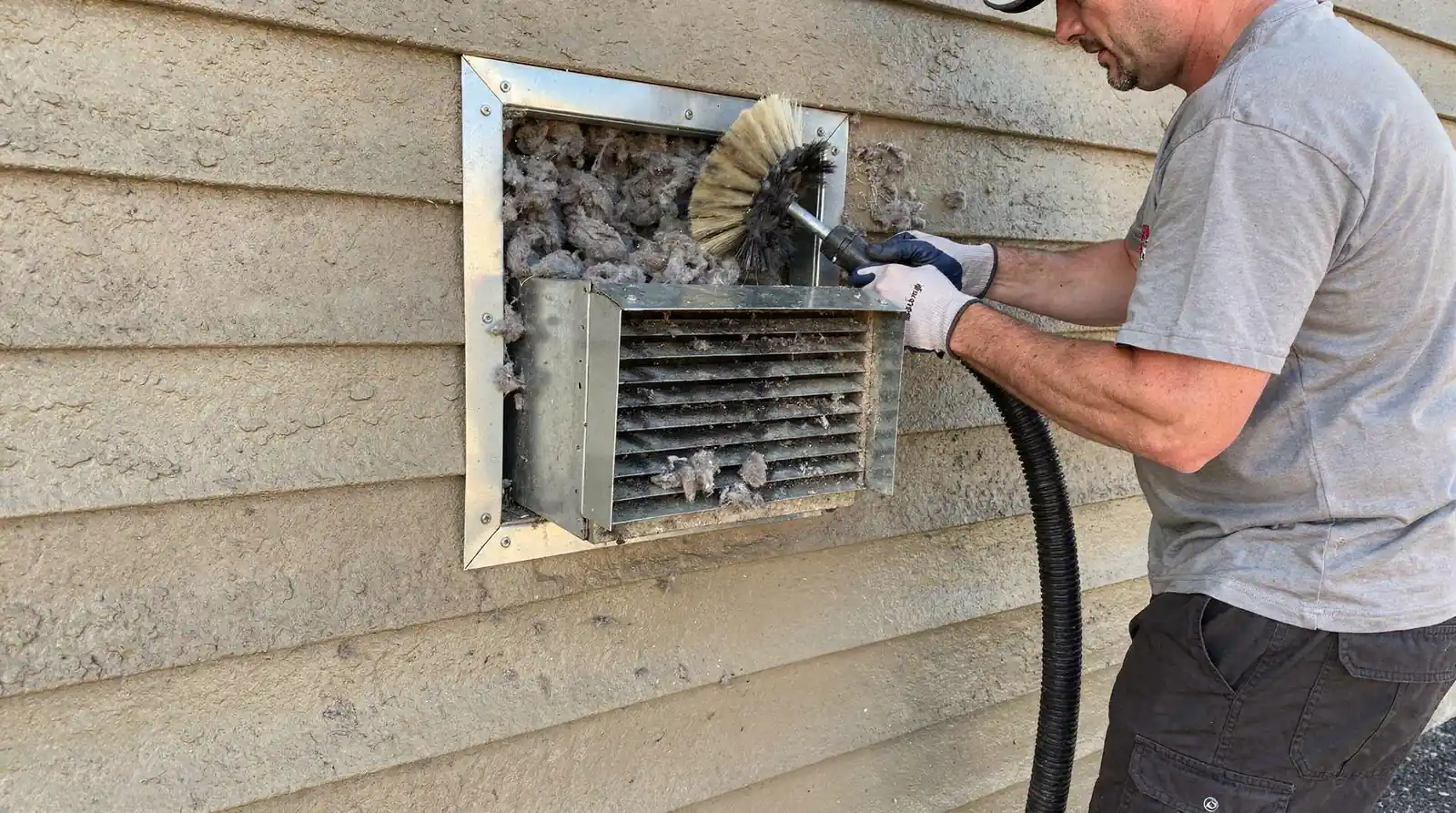
What Does a Clogged Dryer Vent Actually Mean?
A clogged dryer vent is a blocked exhaust pathway that prevents hot, moist air and lint from escaping the home after each drying cycle. When that pathway narrows or closes entirely, the dryer loses the ability to function safely or efficiently.
Every drying cycle pushes warm, humid air and loose lint through a duct that leads outside. The lint trap catches a portion of that debris, but not all of it, and a substantial amount bypasses the trap and enters the ductwork itself. Layer by layer, that lint accumulates into a dense, hazardous blockage that restricts airflow and raises the risk of fire.
How does lint build up inside a dryer vent?
Lint is produced during every single load of laundry. Fine fibers that slip past the lint trap travel through the duct and cling to the interior walls. Over time, those layers compress and harden, steadily narrowing the vent opening until airflow is severely restricted.
Why does a blocked vent make a dryer work harder?
A dryer depends on unrestricted airflow to remove moisture from clothing. When these lint buildup signs go unaddressed and the duct becomes obstructed, the appliance compensates by running longer cycles and generating more heat. This forces the machine to consume more energy and accelerates mechanical wear, shortening the appliance's overall lifespan.
The consequences of a blocked vent extend beyond inconvenience:
Dryer not drying clothes fully, even after a complete cycle. You may find yourself running the same load twice just to get everyday laundry dry.
Excessive heat buildup inside the drum and cabinet. That trapped heat raises the risk of scorched fabric and premature wear on internal components.
Reduced airflow from the exterior exhaust opening. This is often the clearest outdoor sign that the duct is no longer venting properly.
Increased strain on the dryer's heating components. Over time, that added strain shortens the life of the appliance and raises the likelihood of a costly repair.
Understanding the mechanics of a clogged vent is the first step toward protecting both your appliance and your home in Groveland, FL.
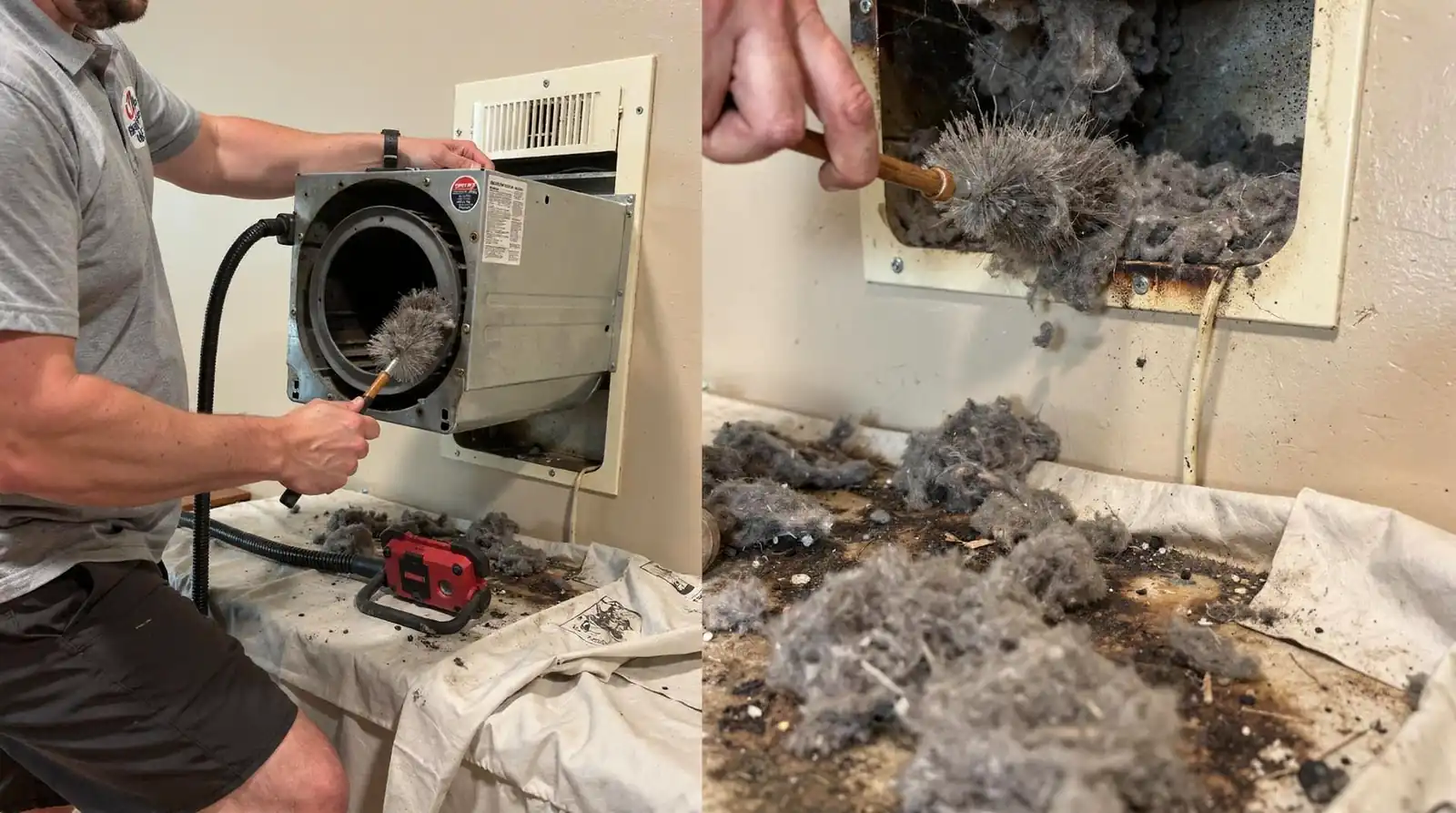
Why Is a Blocked Dryer Vent So Dangerous?
A clogged dryer vent is one of the most underestimated fire hazards in a residential home. Lint is highly flammable, and when it accumulates inside the vent duct, the dryer's own heat provides all the ignition needed to start a fire.
The numbers make the risk impossible to ignore. According to the National Fire Protection Association, approximately 3,000 dryers catch fire every year, and roughly one-third of those fires trace directly back to a failure to clean the dryer, a preventable cause. Collectively, dryer fires cause substantial property damage across the country every year, representing real homes, real families, and real losses that a routine cleaning appointment could have prevented.
What makes lint so dangerous inside a dryer vent?
Lint is a fine, dry fiber that ignites at relatively low temperatures. Every drying cycle pushes lint past the lint trap and deeper into the vent duct. Over time, that accumulation narrows the airflow path, traps heat, and creates the exact conditions a fire needs: fuel, oxygen restriction, and sustained heat.
Does a blocked vent cause problems beyond fire risk?
Fire is the most severe consequence, but a blocked vent causes other serious damage as well. Restricted airflow forces the dryer motor and heating element to work harder and run longer, accelerating mechanical wear. Wasted energy is another direct result, since a dryer struggling against a blocked duct consumes significantly more power per cycle. The combination of fire risk and wasted energy means neglecting the vent system carries both safety and financial consequences.
Lint buildup signs worth watching for include:
Clothes taking longer than one cycle to dry fully. When we see this pattern repeat load after load, it almost always points back to a restricted vent.
A burning smell during operation. This smell means lint inside the duct is overheating, and it should never be ignored.
Excessive heat on the outside of the dryer cabinet. A cabinet that feels hot to the touch is a sign that heat has nowhere to escape but back into the appliance.
Visible lint accumulating around the vent opening. Once lint is visible outside the trap, there is usually more of it hidden further down the duct.
Recognizing these warning signs early keeps a manageable maintenance issue from becoming a serious hazard.
Is Your Dryer Not Drying Clothes Properly?
A dryer not drying clothes fully in a single cycle is one of the clearest signals that something is wrong inside the vent system. Restricted airflow, most often caused by a clogged dryer vent, forces the appliance to work harder while delivering worse results.
We see this pattern consistently: the dryer runs, the cycle ends, and the clothes come out damp. That outcome is not a mechanical failure; it is a ventilation problem. When lint and debris block the vent line, hot, moist air cannot escape efficiently, and the drying process stalls before it finishes.
What Does a Clogged Dryer Vent Feel Like During Operation?
Two physical warning signs appear during or immediately after a drying cycle. Clothes that come out hotter than normal, even when still damp, indicate that heat is trapped inside the drum rather than venting outward. The outside cabinet of the dryer also feels unusually hot to the touch when airflow is blocked, since the excess heat has nowhere to go.
These sensations are not minor inconveniences. They signal that the appliance is operating outside its intended parameters.
How Does a Blocked Vent Affect Daily Life?
Beyond the appliance itself, a clogged vent disrupts the rhythm of an entire household. Running multiple back-to-back cycles to dry a single load consumes extra time and energy. Laundry backs up, and schedules shift around it.
These lint buildup signs build gradually, which is why many homeowners do not connect the slowdown to the vent until the problem is significant. Recognizing the warning signs early prevents a minor inconvenience from becoming a serious disruption.
Key performance indicators that point to a blocked vent:
Clothes require more than one cycle to dry completely. When we hear this complaint, a blocked vent is almost always the underlying cause.
Laundry feels hotter than expected at cycle end. That extra heat means moisture is staying trapped inside the drum instead of venting outside.
The dryer's exterior surface is unusually warm during operation. This is a simple check any homeowner can do between loads without any tools.
Drying times increase progressively over weeks or months. A gradual slowdown like this signals that the blockage is getting worse, not resolving on its own.
Addressing these signs promptly keeps the appliance performing as designed.
What Are the Key Lint Buildup Signs to Watch?
Lint buildup signs fall into two categories: visible clues you can spot immediately and behavioral changes in how your dryer performs. Recognizing these indicators early prevents a minor maintenance issue from becoming a serious hazard.
Does Lint Around the Vent Opening Always Mean a Clog?
Visible lint collecting around the dryer's lint trap or vent opening is a direct indicator of a clogged dryer vent. That accumulation does not appear by accident: it signals that lint is escaping the trap and settling at the nearest exit point, meaning the ductwork behind it likely holds even more buildup.
A subtler clue is equally telling. When the lint trap captures noticeably less lint than it once did, that missing material has not disappeared; it has migrated deeper into the vent ductwork, where airflow carries it further from reach.
Why Is Lint Appearing on Clothes After Drying?
Excessive lint accumulating on clothing after a drying cycle is a reliable sign that the vent system is no longer functioning properly. A healthy dryer exhausts lint-laden air outward through the vent. When that pathway is restricted, lint recirculates inside the drum and deposits onto fabric instead.
Here is a quick reference for the physical lint buildup signs we observe most often:
Sign | What It Indicates |
|---|---|
Lint visible at trap or vent opening | Lint escaping the trap; possible duct blockage |
Lint trap collecting less than usual | Lint migrating deeper into ductwork |
Lint depositing on dried clothing | Restricted exhaust; recirculating lint inside drum |
Groveland, FL's humidity adds another layer of risk. Moisture in the air causes lint particles to clump together more readily, accelerating accumulation inside vent ductwork. We see this compounding effect regularly in homes throughout the Groveland, FL area, which is why physical lint signs here tend to develop faster than in drier climates.
Catching these warning signals early keeps the vent system clear and the dryer operating as designed.
Are There Smell or Airflow Warning Signs?
Yes. Smell and airflow changes are among the most reliable early indicators of a clogged dryer vent. Recognizing these warning signs early prevents a minor maintenance issue from becoming a serious safety hazard.
A burning odor during a drying cycle is never normal. That smell signals that lint accumulating inside the vent is overheating, and overheated lint is highly flammable, so it should never be ignored. Reduced airflow from the exterior exhaust port is equally telling. When a blockage forms inside the duct, the dryer cannot push warm, moist air outside efficiently, and the consequences compound quickly.
What Does Reduced Airflow Actually Look Like?
Reduced airflow is not always obvious at a glance, but the laundry room itself provides clear clues. Increased humidity or moisture building up in the laundry room indicates the vent is no longer expelling air the way it should. Walls may feel damp, and the room may feel noticeably warmer than usual after a drying cycle.
Can Pests Near the Vent Signal a Blockage?
The presence of birds or pests congregating near the exterior exhaust vent is a surprisingly reliable indicator of an obstruction. Animals are drawn to the warmth that escapes a partially blocked vent, and the nesting materials they introduce only worsen the blockage. This is one of the lint buildup signs that homeowners most frequently overlook.
Here is a quick reference for the smell and airflow warning signs we watch for:
Warning Sign | What It Indicates |
|---|---|
Burning smell during operation | Lint overheating inside the vent |
Decreased exterior airflow | Active blockage restricting exhaust |
Laundry room humidity spike | Vent failing to expel moist air |
Birds or pests at exhaust vent | Obstruction attracting wildlife |
Each of these signals points to the same underlying problem: a vent system that can no longer do its job. And a dryer not drying efficiently is often the first consequence a household notices.
How Does Florida's Climate Worsen Dryer Vent Clogs?
Florida's persistent humidity accelerates lint buildup signs inside dryer vent systems far faster than drier climates allow. The combination of frequent laundry cycles and elevated moisture levels creates near-ideal conditions for debris to accumulate and compact within vent ductwork.
Homeowners in Groveland, FL face a compounding problem. Humid air slows the evaporation of moisture inside the vent line, which causes lint particles to clump together and adhere to duct walls rather than passing through freely. A clogged dryer vent forms more quickly under these conditions than homeowners typically expect.
Why Does Humidity Make Lint Stick to Vent Walls?
Moisture acts as a binding agent for lint. When warm, damp air from the dryer mixes with the humid air already present in the duct, lint particles absorb that moisture and become sticky. Over time, layer after layer of damp lint compresses into a dense blockage that restricts airflow significantly.
Can Florida's Climate Cause More Than Just Lint Clogs?
High humidity does more than accelerate lint accumulation. Persistent moisture inside ductwork creates conditions that encourage mold growth, adding a biological hazard on top of the physical blockage. A dryer not drying clothes efficiently is often the first visible symptom, but mold development inside the vent system is a less obvious and equally serious consequence.
The risks compound quickly:
Lint accumulation restricts airflow and forces the dryer to run longer. Longer run times mean higher energy use and faster wear on internal parts.
Excess moisture promotes mold growth within the vent duct. Once mold takes hold inside the ductwork, it can be difficult to fully clear without professional attention.
Reduced airflow raises internal dryer temperatures, increasing fire risk. Higher operating temperatures combined with trapped lint create the exact conditions a dryer fire needs.
Mold spores can migrate into the laundry room air. That means a vent problem can turn into an indoor air quality concern for the whole household.
Maintaining a clean dryer vent is an essential part of home safety in Groveland, FL's humid climate. It is not a periodic convenience, but a consistent necessity for every household we serve.
What Happens If You Ignore a Clogged Dryer Vent?
Ignoring a clogged dryer vent creates a serious fire hazard and forces the dryer to work harder than it was designed to. The consequences compound over time, turning a straightforward maintenance task into a costly and potentially dangerous household problem.
Every drying cycle pushes hot, moist air and lint through the vent line toward the outside of your home. When these lint buildup signs go unaddressed, that pathway becomes restricted. Restricted airflow traps heat inside the appliance, stresses its internal components, and sets the stage for a cascade of compounding issues.
Why Does a Blocked Vent Make the Dryer Work Harder?
A dryer depends on a clear vent line to expel the hot, moisture-laden air it generates. When that line is obstructed, the appliance cannot complete its job efficiently. The result is a dryer not drying clothes in a single cycle, meaning more cycles, more energy consumed, and more wear on the machine itself.
What Are the Compounding Household Consequences?
The problems extend well beyond slow laundry. Ignoring a blocked vent produces a chain of escalating issues:
Fire risk — trapped lint is highly flammable, and restricted airflow raises internal temperatures to dangerous levels. Left unchecked, this combination is one of the leading causes of preventable house fires.
Appliance strain — the dryer runs longer and hotter, accelerating mechanical wear. Over months of extra strain, components fail sooner than they otherwise would.
Laundry backlog — clothes require multiple cycles to dry, disrupting household routines. What should take one cycle can stretch into two or three, eating into your day.
Energy waste — extended run times increase utility consumption without improving results. You end up paying more to run the dryer while your laundry still comes out damp.
Moisture buildup — inadequate venting allows humidity to accumulate in the laundry area. Over time, that trapped moisture can invite mold and damage nearby surfaces.
Each item on that list worsens the longer the blockage remains in place. What begins as a minor restriction in the vent line can escalate into a serious safety concern and a significant disruption to daily home life. Addressing the issue promptly is the most reliable way we know to prevent these outcomes from taking hold.
When Should You Call a Professional for Help?
A clogged dryer vent warrants professional attention when DIY cleaning tools fail to restore normal drying times, or when visible lint buildup signs persist after basic maintenance. Certain conditions inside a vent system, such as deep blockages, sharp bends, and long duct runs, exceed what a standard brush kit can safely address.
Most homeowners recognize the obvious warning signals. A dryer not drying clothes within a normal cycle is the clearest indicator that airflow is compromised beyond surface-level lint accumulation. Other conditions that call for professional service include:
A burning smell during operation, which signals overheated lint inside the duct. This is one warning sign we always urge homeowners to act on right away.
Excessive heat radiating from the dryer's exterior during a cycle. This usually means airflow is severely restricted somewhere along the duct run.
Moisture or unusual humidity building up in the laundry room. Persistent dampness here is a strong indicator that air is no longer venting outside properly.
Visible lint escaping around the vent opening or exhaust hood. Once lint is visible at the opening, the duct behind it is usually carrying a heavier load.
Decreased airflow at the exterior vent, even after cleaning the lint trap. When cleaning the trap does not restore airflow, the blockage is likely deeper in the duct.
When any of these signs appear together, the risk of a dryer fire rises significantly. Our professional service is designed to thoroughly remove dangerous blockages, restore appliance performance, and deliver the kind of peace of mind that a quick DIY pass simply cannot guarantee.
What does a professional dryer vent inspection actually involve?
A professional evaluation goes beyond running a brush through the duct. We offer dryer vent camera inspections that allow our team to visually assess the full length of the vent line, identifying hidden obstructions, damaged sections, or improper connections that would otherwise go undetected. This level of evaluation gives you a clear, factual picture of your vent's condition.
Contact Superior Vents to Schedule Your Dryer Vent Inspection
As a family-owned company rooted in the Groveland, FL community, we approach every service call with the thoroughness that protects your home and your long-term investment. Our team is available Monday through Saturday from 8 AM to 6 PM to answer your questions and get a visit on the schedule. If your dryer's drying performance has declined noticeably, or if any of the warning signs above sound familiar, we encourage you to reach out before the lint accumulation, and the fire risk that comes with it, has a chance to grow.
FAQ
How do I know my dryer vent is clogged?
You'll notice clothes taking longer than usual to dry, coming out hotter than normal, and a burning smell appearing during operation. Visible lint around the vent opening and increased laundry room humidity also confirm a blockage.
Why is a clogged dryer vent a fire hazard?
Lint is highly flammable, and the dryer's own heat provides enough ignition to start a fire. The National Fire Protection Association reports that approximately 3,000 dryers catch fire annually, causing substantial property damage across the country every year.
Where do I go to schedule professional dryer vent cleaning?
Superior Vents provides professional dryer vent cleaning services to homeowners throughout Groveland, FL. Reach out to our team and we'll get an appointment on the schedule to keep your home safe.
Ready to breathe easier?
Request your next available air duct, dryer vent, or chimney cleaning appointment across Central Florida.
Family-owned · Superior Vents LLC · Florida Document #L20000242668 · Mon–Sat 8 AM–6 PM